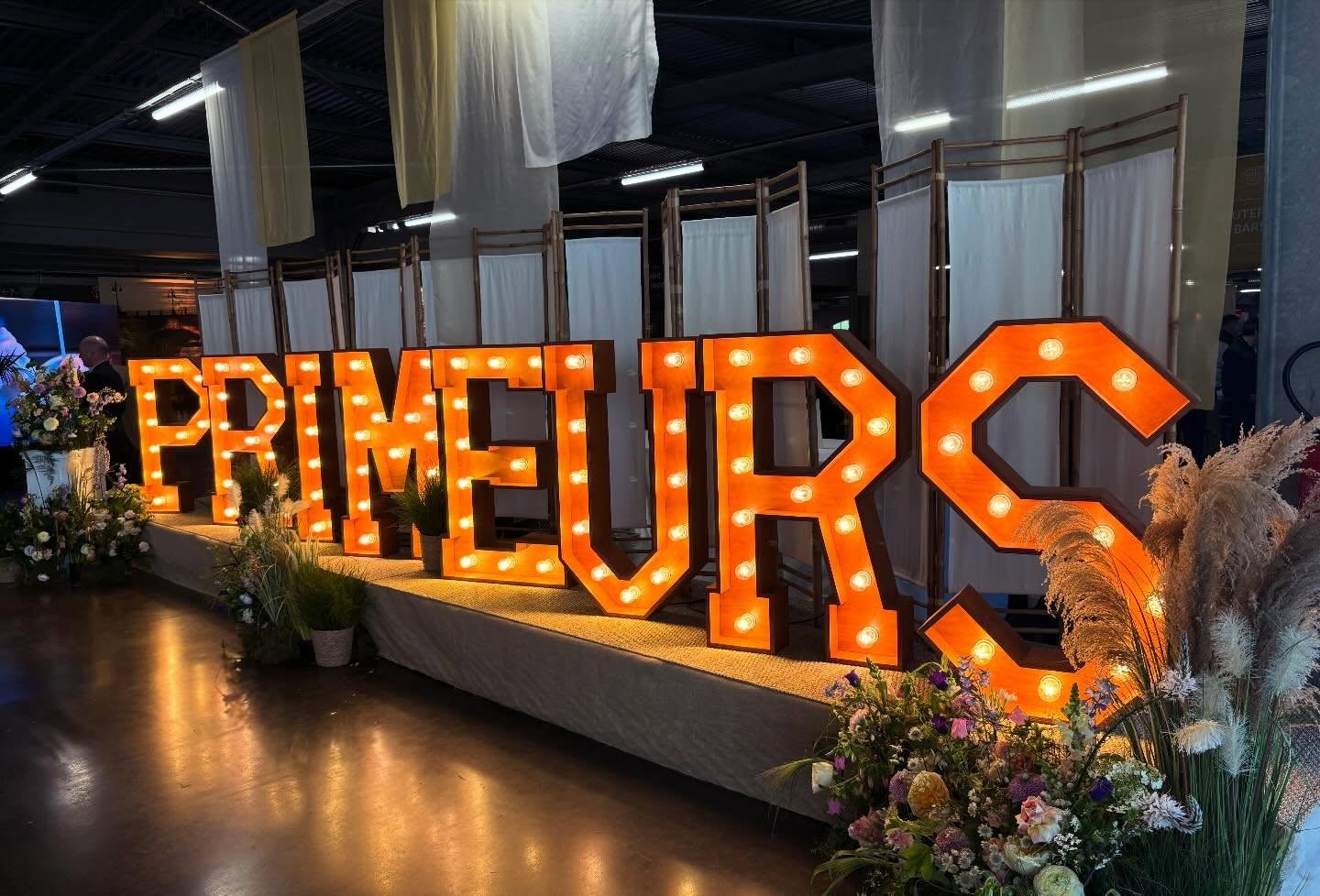
A vintage of contrast and careful selection
The JN Wine team travelled to Bordeaux to taste the 2025 en primeur vintage directly at the châteaux, continuing a longstanding approach dating back to the early 1980s. These visits remain central to how we assess the campaign, allowing us to understand not only the wines themselves but the decisions behind them, and to advise customers with clarity as the releases get underway.
As tastings conclude, Bordeaux 2025 emerges as a vintage of contrast: shaped by heat and drought, yet often delivering wines of balance, brightness and surprising accessibility.
It is not a uniform year, nor an immediately obvious one. But at its best, 2025 delivers plenitude, precision and transparency, particularly where terroir and decision-making aligned. It also sits within the context of shrinking production - the smallest Bordeaux vintage since 1991 and the second historically low crop in succession - underlining the increasing selectivity of recent years.
A growing season of extremes
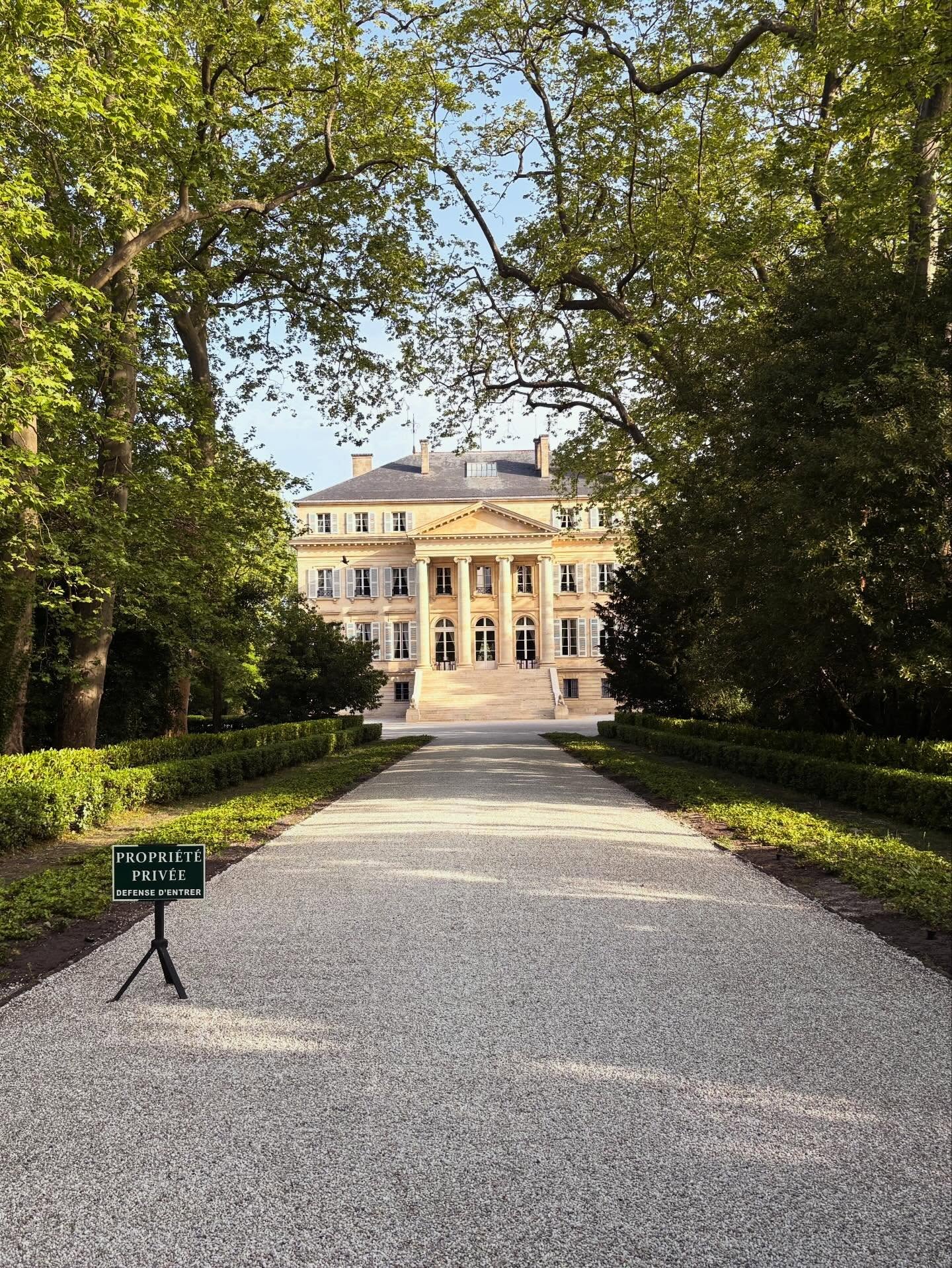
The 2025 season was defined by prolonged heat and drought, punctuated by key rainfall events at crucial moments.
Temperatures regularly exceeded 35°C in August, peaking above 40°C, including 41.6°C at Château Cheval Blanc - among the highest ever recorded there. Dry spells of 30–35 consecutive days without rain placed vines under severe hydric stress.
This resulted in:
- Very small berries across both banks
- Reduced juice-to-skin ratios (1.9kg fruit per litre vs a normal 1.3kg at Petrus, described as their “smallest ever berries”)
- Low yields, typically 22–30hl/ha
- Very high concentration levels
Key examples underline the scale:
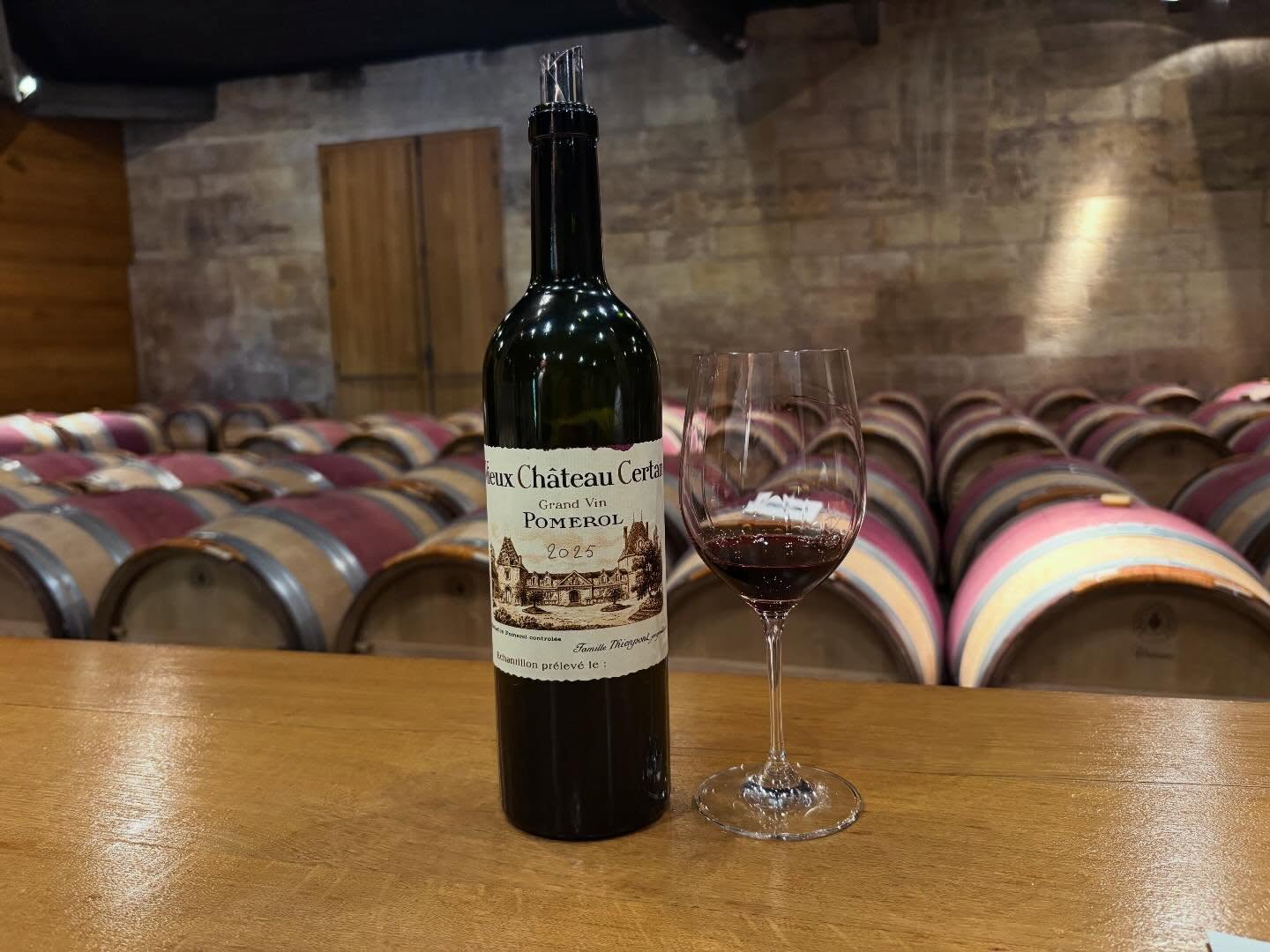
- Vieux Château Certan: 22hl/ha
- Cheval Blanc: c.40% down on 2024 yields
- Palmer: “hottest and driest vintage in 50 years”
The turning point came with rain at the end of August. At Cheval Blanc, around 60mm restored balance and reduced potential alcohol from c.14.5% to around 12.7%. At Montrose, just 14mm over two days unlocked phenolic maturity.
The pattern of heat, stress, and release defines 2025, situating it alongside the early surges of 2022 and 2003, and recalling the cadence of 1989, though now within a more controlled, modern agronomic framework.
A vintage of precision and decision-making
As in 2024, this is a producer’s vintage, though for different reasons.
Soil was decisive. Clay and limestone sites, particularly on the Right Bank, retained water and allowed more even ripening. At Château Canon, wines show limestone purity and low pH drive despite an early harvest beginning 28th August, while gravel parcels were more often exposed ahead of the rains.
Low bud fertility in 2024 further reduced yields. Across the region, selection was especially stringent, with an increased share of fruit allocated to the grand vin; at Vieux Château Certan, this exacting approach left no parcels for a separate Gravette de Certan bottling, echoing a broader pattern of second wines not produced in the vintage.
A winemaker’s vintage
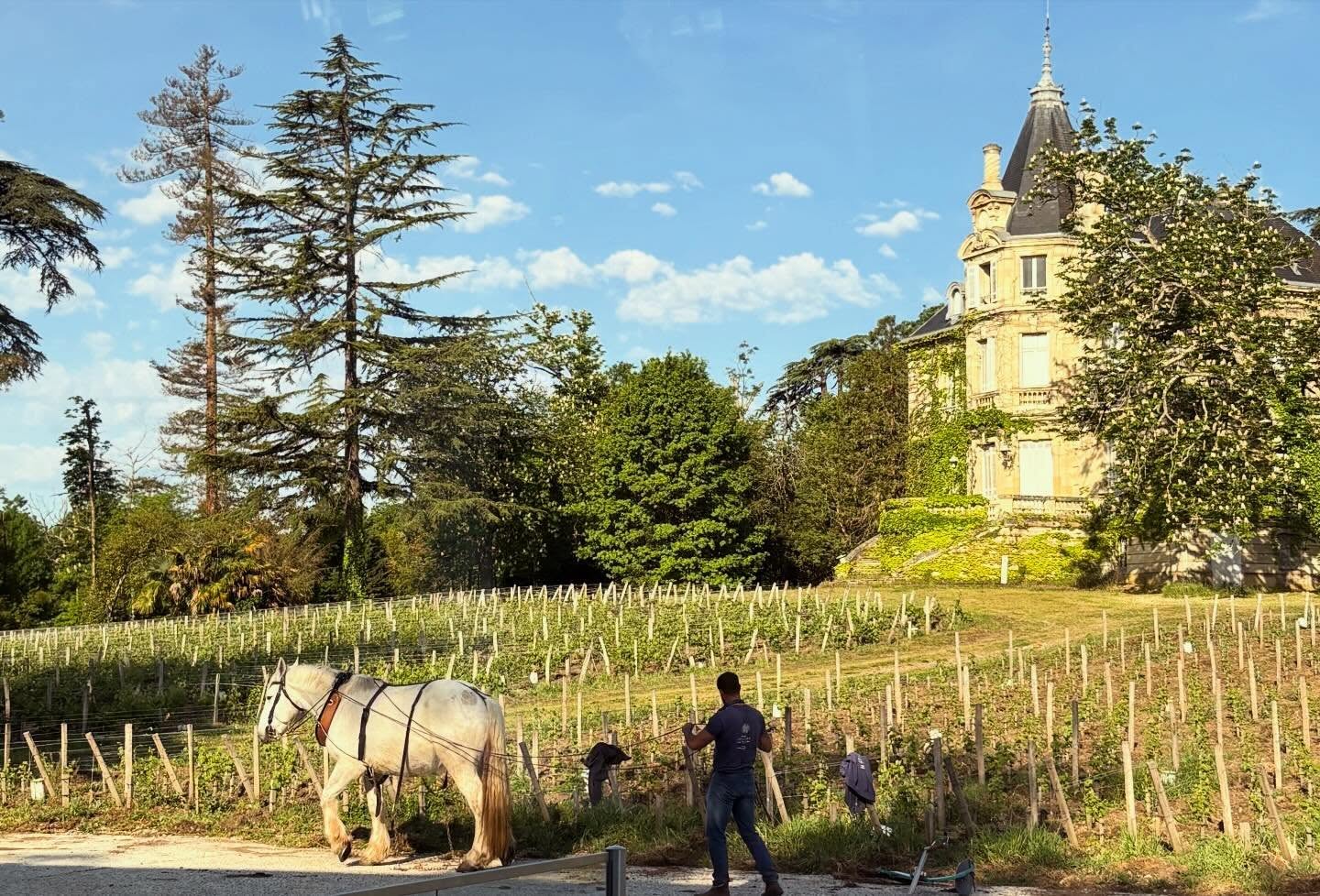
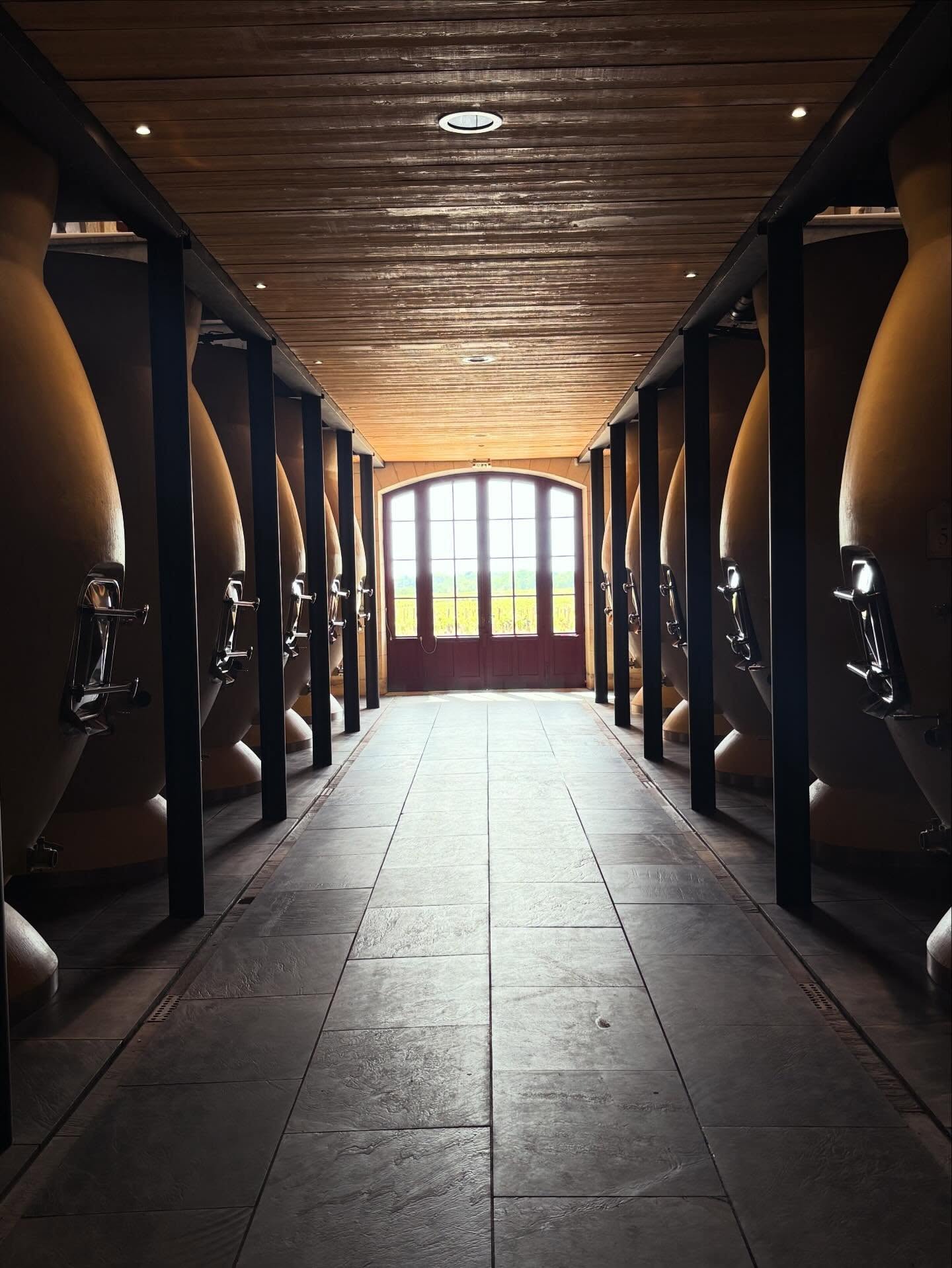
Extreme fruit brought extreme tannin levels, making cellar decisions crucial.
IPTs (Total Polyphenol Index) were frequently in the 70–80 range and beyond. Château Margaux reached 81 IPT, Château Les Carmes Haut-Brion around 82 IPT, and Château Haut-Bailly’s Petit Verdot approached a staggering 98 IPT in blending trials - underlining both raw intensity and the need for precision.
Winemakers responded with:
- Lower fermentation temperatures (~26°C and below, from ~30°C)
- Shorter macerations (16–18 days, from ~28)
- Gentler extraction
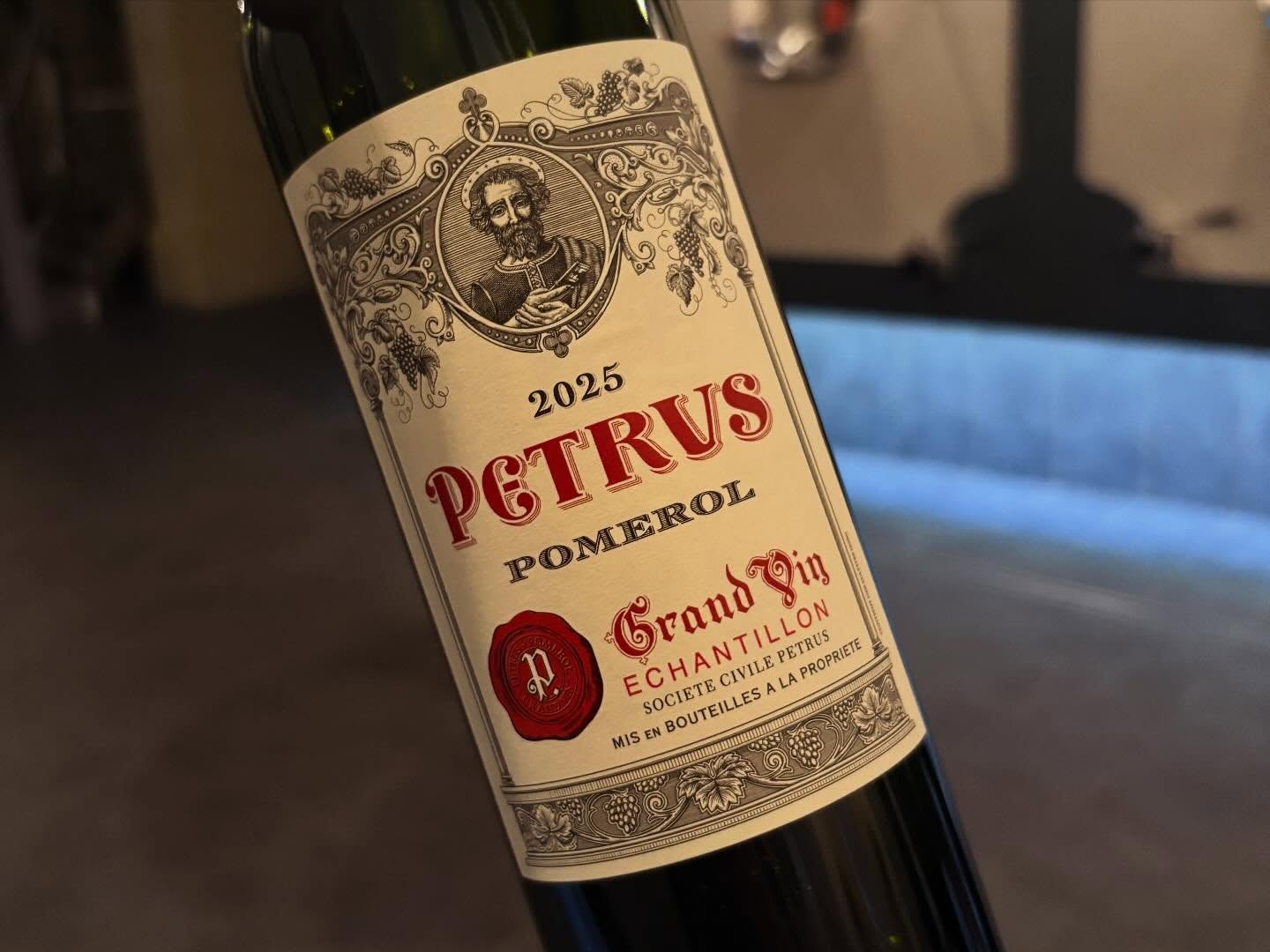
At Petrus, maceration was reduced to around 16 days (from ~21), with fermentation held at ~25°C to preserve lift and avoid over-extraction in a year of high tannin potential and rapid post-rain change.
At the other extreme, Château Pontet-Canet used slow, highly controlled fermentations with extended maceration of up to five weeks, encouraging gradual tannin polymerisation.
Elsewhere, whole-bunch use, submerged cap work and restrained oxygen management were widely employed.
The best wines are defined not by extraction, but by deftness and control.
Style: freshness within a warm year
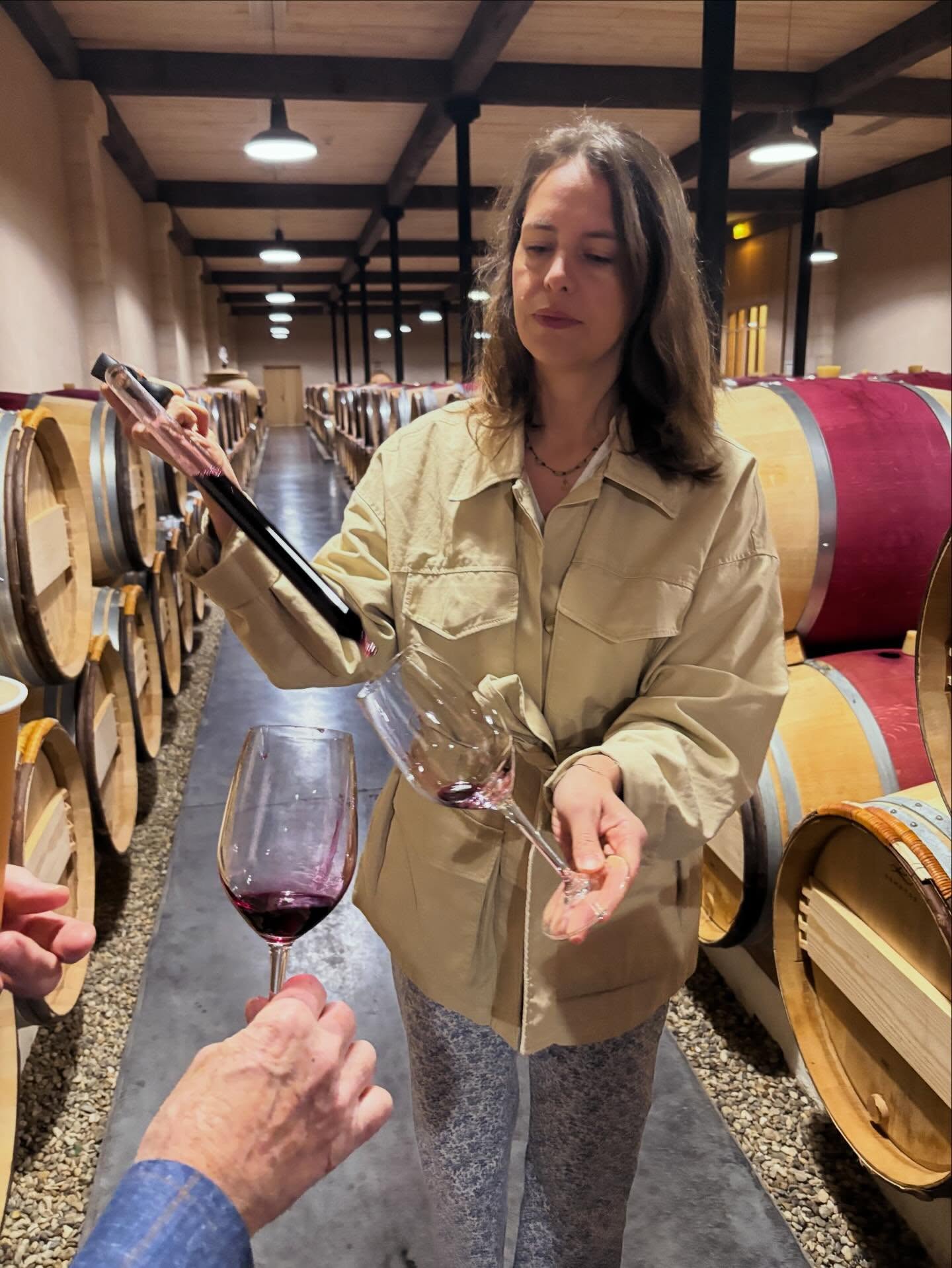
Despite the heat, alcohol levels remain broadly moderate - typically 12.5% to 13.5% in grand vins.
At Château Les Carmes Haut-Brion, the wine sits around 13% ABV, with whole-bunch inclusion and careful fermentation preserving lift.
This balance reflects:
- Hydric stress limiting sugar accumulation
- Late-season rainfall moderating concentration
- Winemaking prioritising freshness over extraction
In bottle, the best wines show:
- Pure, concentrated fruit
- Fresh, mineral-tinged acidity
- Structured (but integrated) fine-grained tannins
In Margaux, Château Rauzan-Ségla is especially sleek and mineral with violet redolence, while Château Palmer shows broader volume but remains composed, balanced and floral.
No uniformity, but clear highlights
2025 is highly site-specific and increasingly shaped by selection.
Quality depends on:
- Soil type
- Picking decisions
- Extraction philosophy
- Parcel discipline
At the top level, the vintage delivers real stature.
On the Left Bank, Châteaux Montrose, Léoville Las Cases and Lafite Rothschild stand out for classical structure and definition.
On the Right Bank, limestone and clay sites excelled, with Châteaux Ausone, Belair-Monange and Petrus producing wines of plenitude and precision.
Whites and sweet wines
Dry whites were picked early, often mid to late August, avoiding late heat and rain.
The best show:
- Concentrated fruit
- Linear acidity
- Depth from lees and oak integration
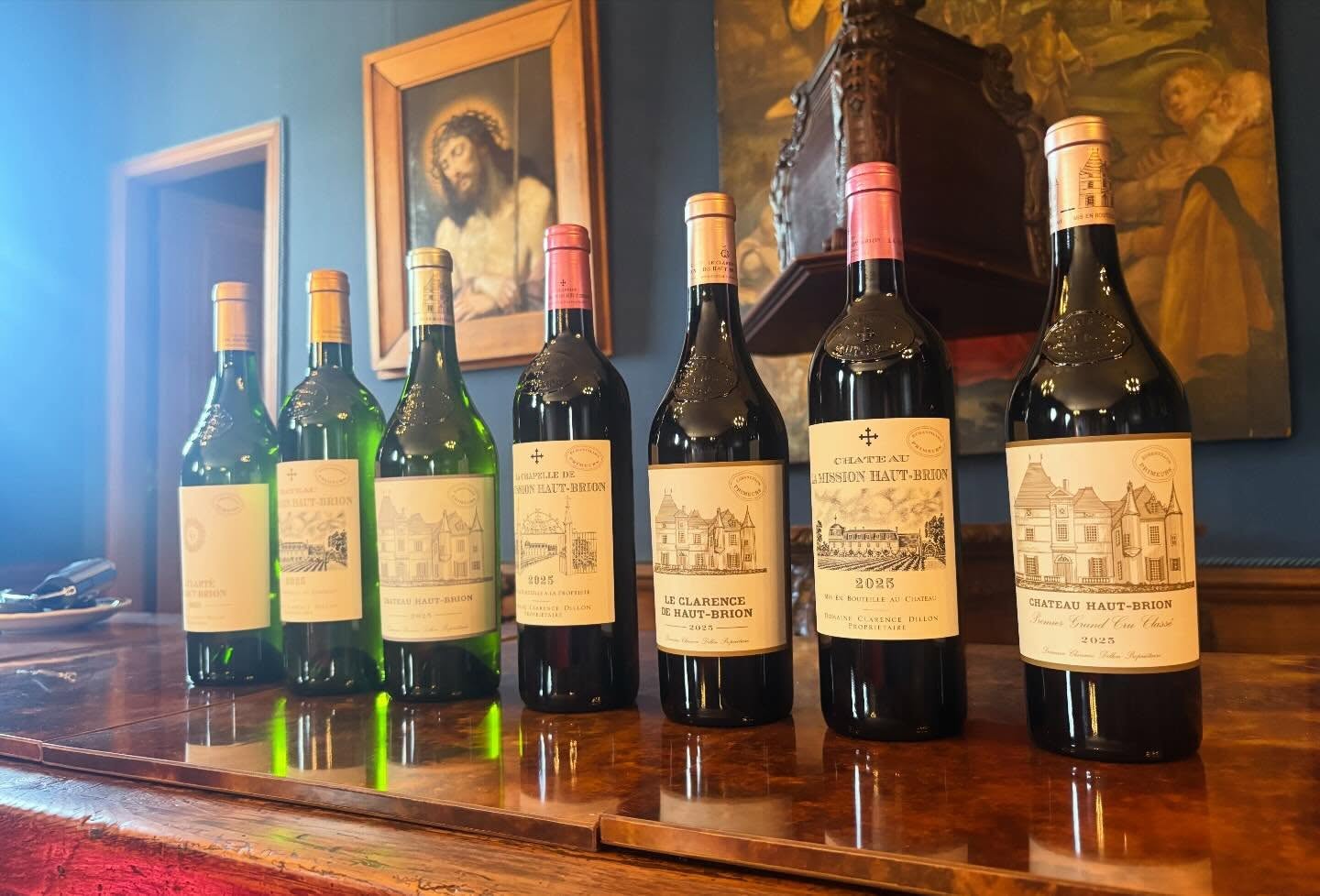
Château Haut-Brion Blanc stands out for smoky, waxy intensity and structure, while Pavillon Blanc du Château Margaux shows powerful mineral sapidity and linearity.
Sweet wines benefited from September rainfall, encouraging renewed botrytis development. Quality is strong but variable, with Châteaux Suduiraut and La Tour Blanche among the highlights tasted.
A vintage that rewards selection
Bordeaux 2025 is a vintage of nuance rather than uniformity, but it rewards close attention.
It is defined by:
- Extreme growing conditions
- Strong vineyard and cellar adaptability
- Wide variation between estates
- Balance, precision and controlled power
At their best, the wines are highly expressive: elegant, aromatic and beautifully composed, with a clear sense of lift and finesse across both banks. There is a transparency to the fruit and an underlying refinement to the structure that gives the top wines real charm as well as definition. The finest examples show a style in the mould of the best recent vintages, but often with a more restrained, filigreed and perfumed profile.
As ever, pricing will shape the commercial success of the campaign. Stylistically, 2025 offers a clear snapshot of Bordeaux responding to climatic pressure with increasing precision - best understood parcel by parcel rather than in general terms.
At JN Wine, we will be judicious in our selection, focusing on wines that have performed particularly well qualitatively and where pricing represents fair and sensible value. Our aim remains to highlight the estates that have best translated this exceptional growing season into wines of genuine interest, character, and near- to medium-term enjoyment, while retaining the capacity for long-term cellaring, supported by our on-the-ground assessment in Bordeaux.
We look forward to discussing the vintage with you and remain at your disposal for any queries you may have.
Yours in wine,
JN Team